Quick Answer: Best Korean Toner for Dehydrated Skin
If you’re short on time: Klairs Supple Preparation Unscented Toner is the safest all-around pick for dehydrated, sensitive skin. Torriden DIVE-IN Toner is the lightest option for 7-skin method layering. Either one, used in 5–7 thin layers, will visibly plump dehydrated skin within a week — without the suffocating heaviness of a winter routine.
- Most lightweight (7-skin method ideal): Torriden DIVE-IN Toner
- Best for sensitive skin: Klairs Supple Preparation Unscented Toner
- Most concentrated hydration: Pyunkang Yul Essence Toner
- Best for compromised barrier: COSRX Full Fit Propolis Synergy Toner
- Best value: Isntree Hyaluronic Acid Watery Toner
Spring hit different this year. Your skin finally sheds its winter armor — and suddenly that heavy-texture toner you relied on in January feels like wearing a wool coat in May. Here’s what nobody tells you: dehydrated skin doesn’t need less moisture in spring. It needs smarter moisture delivery.
The best Korean toner for dehydrated skin isn’t just about the formula. It’s about the technique — and more specifically, the K-beauty ritual that’s been quietly transforming Western skincare routines: the 7-skin method. I’ve been experimenting with K-beauty layering for three years, and switching to a lightweight, water-forward toner as my foundation step made more visible difference than any serum I’ve added. Here’s everything I learned, plus five picks genuinely worth your money.
Why Dehydrated Skin Needs a Dedicated Korean Toner (Not Just More Moisturizer)
Dehydration and dryness are not the same thing. Dry skin lacks oil. Dehydrated skin lacks water — and it can happen to oily, combination, or already-moisturized skin types. When you apply a rich moisturizer directly to dehydrated skin without a hydrating base, much of that product sits on top rather than penetrating, because the stratum corneum has a compromised water-binding capacity. According to dermatologists who specialize in barrier function, this is one of the most common skincare mistakes in Western routines.
This is where the K-beauty philosophy gets it right. Korean skincare has long treated toners — called 스킨 (skin) or 토너 (toner) — as the foundational hydration step, not an optional add-on. A well-formulated hydrating toner delivers water-binding actives like hyaluronic acid and beta-glucan into the skin’s surface layers before anything else, creating a moisture reservoir that all subsequent steps can build on. According to K-beauty industry research, the toning step can account for up to 40% of a routine’s total hydration delivery — a fact Western skincare culture largely ignored until the global K-beauty boom changed how we think about layering.
What Is the 7-Skin Method? (The Gateway Concept for Spring 2026)
The 7-skin method — or 일곱 겹 스킨 레이어링 — is exactly what it sounds like: you apply your hydrating toner in 5 to 7 thin layers, pressing each one fully into the skin before adding the next. It originated in Korean skincare culture as a deep-hydration ritual for winter, but it’s equally powerful in spring when you want breathable, lightweight hydration rather than heavy creams.
Why does it work? Skin can only absorb so much product in a single application. Thin layers applied sequentially allow each coat to partially penetrate before the next one arrives, stacking hydration without overwhelming the skin or causing pilling. The result — plump, dewy skin described in Korean as mul-gwang (water-glow) — is the foundation of the glass-skin aesthetic that continues to dominate K-beauty in 2026.
Critically, not every toner is suited for this method. You need watery, fast-absorbing formulas with no silicones, heavy oils, or occlusive ingredients that would create a barrier between layers. Every pick below is specifically chosen for layering compatibility.
The 5 Best Korean Toners for Dehydrated Skin in Spring 2026
1. Klairs Supple Preparation Unscented Toner — Best for Beginners and Sensitive Skin
Key ingredients: Sodium Hyaluronate, Betaine, Beta-Glucan, Centella Asiatica Extract, Ceramide NP
Honestly, if I had to recommend one toner to someone who has never tried K-beauty layering before, this would be it. The Klairs Supple Preparation Unscented Toner is a cult classic for a reason: it’s completely fragrance-free, gentle enough for rosacea-prone skin, and has a texture that sits perfectly between watery and slightly viscous — just enough body to feel substantive, light enough to layer five to seven times without heaviness.
The formulation leans heavily on beta-glucan (a polysaccharide from oats or yeast that holds moisture more effectively than standard hyaluronic acid, gram for gram) and centella asiatica, a calming botanical used in K-beauty for its barrier-supporting and wound-healing properties. In my experience, this combination genuinely reduced the tight, papery feeling my skin gets during seasonal transitions within about four days of consistent morning use.
Pros:
- Completely fragrance-free and alcohol-free — safe for sensitized and rosacea-prone skin
- Ideal for 7-skin method layering: no pilling, fast and even absorption
- Beta-glucan and ceramide combination targets the root cause of dehydration
- Widely available globally with a consistent formulation track record
Cons:
- Slightly pricier than comparable Korean drugstore alternatives
- The unscented version can feel “clinical” to users who enjoy a sensory skincare experience
- May not provide enough oil-balancing action for very congestion-prone skin
Best for: Beginners, fragrance-sensitive skin, rosacea, and anyone wanting a reliable foundation for the 7-skin method.
2. Torriden DIVE-IN Low Molecular Hyaluronic Acid Toner — Most Lightweight Pick
Key ingredients: 5 types of Hyaluronic Acid (high to low molecular weight), Panthenol, Allantoin
If Klairs is the trusted classic, Torriden DIVE-IN is the overachiever. This is the closest thing to bottled water I’ve ever applied to my face — except it actually works, because it packs five different molecular weights of hyaluronic acid into one formula. Low molecular HA penetrates deeper into the skin; high molecular HA sits on the surface forming a moisture-sealing film. Together they create a full-spectrum hydration effect that a single-weight HA toner simply cannot match.
In spring specifically, this is my personal top recommendation. The texture evaporates before you realize you’ve applied it — perfect for warm weather when anything heavier feels suffocating. I used this throughout March, layering six times each morning, and my dehydration lines (those fine lines that appear only when skin lacks water) were noticeably reduced by week two. It’s the best Korean toner for dehydrated skin if you run warm or live somewhere humidity is already creeping up.
To be fair, hyaluronic acid is a humectant that draws moisture from the environment — which means in very dry indoor conditions (air conditioning blasting) it can theoretically pull water from deeper skin layers if not sealed with a moisturizer. Always follow layering with an occlusive or moisturizer to lock everything in.
Pros:
- Five molecular weights of HA delivers both surface and deeper-layer hydration
- Water-thin texture is ideal for 7-skin method layering without tackiness
- Non-sticky, zero residue — works beautifully under SPF and makeup
- Fragrance-free with minimal irritant potential
Cons:
- Very lightweight — those with very dry (not just dehydrated) skin may need a richer second toner
- Must be sealed with a moisturizer; skipping this step can backfire in dry environments
- Pump nozzle can dry slightly over time if not cleaned regularly
Best for: The 7-skin method, oily-dehydrated skin, spring and summer routines, makeup prep base.
3. Pyunkang Yul Essence Toner — Most Concentrated Formula
Key ingredients: Milk Vetch Root Extract (Astragalus membranaceus, 89.48%), Glycerin, Sodium Hyaluronate
Pyunkang Yul is the minimalist’s K-beauty brand — known for short ingredient lists and unusually high concentrations of single hero ingredients. Their Essence Toner earns its hybrid name: the texture sits between a toner and an essence, slightly thicker than water but thinner than any serum, and its star ingredient — milk vetch root extract — makes up nearly 90% of the formula. That’s not a typo.
According to traditional Korean herbal medicine, astragalus (milk vetch) has been used for centuries for its adaptive and skin-strengthening properties. Modern dermatological research associates it with antioxidant activity and barrier support. What I find most impressive is how substantive the formula feels without any heaviness — one layer delivers more hydration than two layers of most competitors. This is the pick I reach for when I want real results from a three-layer routine rather than committing to a full 7-skin method session.
Pros:
- 89% functional ingredient — among the most concentrated formulas at this price point
- Short, clean ingredient list: excellent for ingredient-sensitive users
- Slightly thicker texture provides a more tangible, satisfying hydration feel
- Works as both a standalone toner and a layering product depending on your routine
Cons:
- Slightly thicker than ideal for 7-layer strict method — 5+ layers may feel marginally tacky
- Milk vetch root as topical active is less studied than HA or beta-glucan
- Less widely available in Western markets than COSRX or Klairs; may require a dedicated K-beauty retailer
Best for: Minimalists, 3–5 layer K-beauty layering, sensitive or reactive dehydrated skin.
4. Isntree Hyaluronic Acid Watery Toner — Best Value
Key ingredients: 4 types of Hyaluronic Acid, Centella Asiatica Extract, Portulaca Oleracea (Purslane) Extract, Beta-Glucan
The Isntree toner is my go-to recommendation for anyone who wants a genuinely effective hydrating toner without spending premium money. It combines four types of hyaluronic acid with centella asiatica and purslane — a succulent plant extract with documented antioxidant and anti-inflammatory properties in peer-reviewed literature — at a price point that undercuts most competition while offering comparable ingredient quality.
The texture lands in the middle of this list’s spectrum: slightly more watery than Pyunkang Yul, slightly richer than Torriden, which makes it versatile for both layering and single-application use. It comes in a generous 200ml bottle, which is practical when you’re using it in 5–7 layer quantities daily. In my experience it layers cleanly with no pilling and absorbs within about twenty seconds per coat.
One honest caveat: the Isntree formula’s fragrance status can vary between production batches. If you’re extremely fragrance-sensitive, either patch test carefully or default to the Klairs instead.
Pros:
- Excellent value — multi-type HA formula at an accessible price
- Beta-glucan and centella add anti-inflammatory benefit beyond basic hydration
- Mid-weight texture works across a range of layering approaches
- 200ml bottle size is practical for daily 7-skin method use
Cons:
- Fragrance status can vary between batches — check the ingredient list each purchase
- Less refined sensory experience than premium picks; basic functional packaging
- Purslane extract, while effective, is an unfamiliar ingredient that may concern cautious users
Best for: Budget-conscious beginners, those testing the 7-skin method for the first time, combination skin.
5. COSRX Full Fit Propolis Synergy Toner — Best for Compromised Barrier
Key ingredients: Black Bee Propolis Extract (72.6%), White Bee Propolis Extract (10%), Honey Extract, Panthenol
COSRX is arguably the most globally recognized K-beauty brand, and this propolis toner is one of their most substantive formulas. Propolis — the resinous compound bees use to seal their hives — is one of the most studied natural antimicrobial and barrier-repairing ingredients in dermatological literature. According to a review published in the Journal of Cosmetic Dermatology, topical propolis demonstrated significant wound-healing and anti-inflammatory activity in multiple clinical contexts. At 72.6% black bee propolis, this toner is not a subtle dose.
I’ll be honest about where this fits in a spring routine: it’s slightly richer than the others, which means it’s not my first recommendation for strict 7-skin method layering when temperatures are rising. But it’s the one I reach for when my barrier feels genuinely compromised — after over-exfoliation, after a long flight, or when my skin looks simultaneously dull, tight, and reactive. One to three layers of this consistently calms and rebuilds faster than any essence I’ve tried.
Pros:
- 72.6% black bee propolis delivers substantive barrier-repair at high concentration
- Honey extract provides humectant benefit alongside antimicrobial properties
- Ideal for post-actives recovery or skin in visible distress
- Panthenol (pro-vitamin B5) adds clinically supported soothing and regeneration effect
Cons:
- Slightly sticky finish — less compatible with 7-skin method at full 7 layers
- Has a subtle honey-like scent and a distinctive golden-brown color that surprises first-time users
- Propolis can cause reactions in people with bee product allergies — patch test is essential
- Heavier weight makes it better suited to 1–3 layering rather than the full 7-skin method
Best for: Dehydrated skin with a compromised barrier, dull skin in recovery mode, post-exfoliation repair.
How to Do the 7-Skin Method Step by Step
The 7-skin method sounds intimidating but takes under three minutes once you find your rhythm. Here’s the sequence:
- Cleanse and pat skin to about 70% dry — slightly damp skin absorbs toner more readily than bone-dry skin.
- Apply your first layer: pour 3–4 drops into your palms, rub together briefly to warm, then press palms firmly against your face, neck, and décolletage. No wiping, no tugging — press and hold for 3–4 seconds.
- Wait 15–20 seconds until the toner is mostly absorbed. It doesn’t need to be completely dry before the next layer.
- Repeat for layers 2 through 5 (or up to 7 if your skin is very dehydrated or it’s a particularly dry day).
- Seal immediately after the final layer with a lightweight moisturizer or morning SPF. The open-skin window after layering is brief — don’t leave it unsealed.
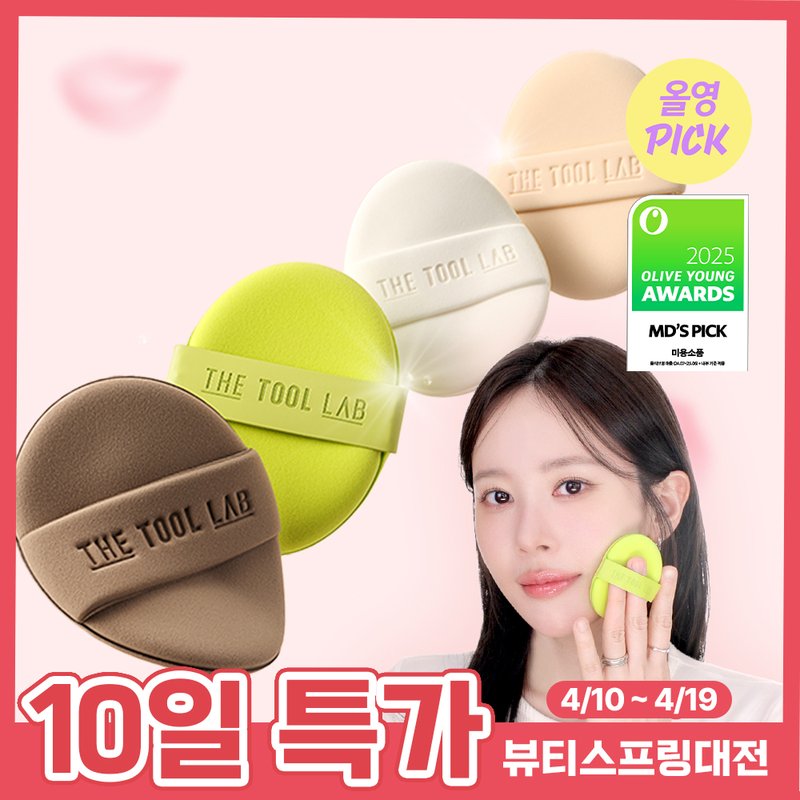
Some K-beauty practitioners swear by patting with a soft puff rather than bare hands, arguing that palms absorb a portion of the product before it reaches your face. If you want to try this technique, a premium soft puff delivers toner to the skin with minimal absorption loss — regular cotton rounds actually soak up too much product to be efficient for this method.
Comparison: Best Korean Toners for Dehydrated Skin — Spring 2026
| Toner | Texture | Key Ingredient | 7-Skin Layering | Fragrance-Free | Best For |
|---|---|---|---|---|---|
| Torriden DIVE-IN | Ultra-watery | 5-type Hyaluronic Acid | Best | Yes | Oily-dehydrated, warm weather |
| Klairs Unscented | Light-medium | Beta-Glucan + Ceramide | Excellent | Yes | Beginners, sensitive skin |
| Isntree HA Toner | Medium-watery | 4-type HA + Beta-Glucan | Good | Check batch | Budget, combination skin |
| Pyunkang Yul Essence | Medium (toner-essence) | Milk Vetch Root (89%) | 3–5 layers | Yes | Minimalists, sensitive skin |
| COSRX Propolis | Medium-rich | Black Bee Propolis (72.6%) | 1–3 layers | No (light scent) | Compromised barrier, repair |
FAQ: Korean Toners and the 7-Skin Method for Dehydrated Skin
Is the 7-skin method too many steps for a beginner?
Not at all — it’s actually one of the most forgiving K-beauty techniques to start with because it only requires one product: your toner. You don’t need to do all seven layers on day one. Start with three layers of a watery toner like the Torriden DIVE-IN or Klairs Unscented, and increase from there as your skin adjusts. Most people notice visible plumping within three to five days of consistent use. The only real risk is choosing a toner that’s too rich for layering, which can cause pilling or comedone formation in congestion-prone skin.
Can the 7-skin method work if I have oily skin?
Yes — and this is one of the most widespread misconceptions about hydrating toner K-beauty layering. Oily skin can absolutely be dehydrated simultaneously. When skin lacks water, it can overcompensate by producing excess sebum. A lightweight hydrating toner used in layers addresses the water deficit without adding oil, which can paradoxically reduce excess sebum production over time. Choose the most watery formulas (Torriden DIVE-IN or Klairs Unscented) and avoid toners with emollient-heavy ingredients like plant oils or shea.
What’s the difference between a Korean toner and a Western astringent toner?
Traditional Western toners were formulated with significant alcohol to strip oil, supposedly “tighten pores,” and prep skin for moisturizer. In practice, this mostly stripped the skin’s acid mantle and triggered compensatory oil production. Korean 스킨 (skin) toners are the functional opposite: humectant-rich, pH-balanced products designed to flood skin with water-binding ingredients before any other step. If you’ve historically avoided toners because they stung or dried your skin out, a Korean toner for beginners will feel like an entirely different product category.
How do I know if my skin is dehydrated versus just dry?
The pinch test is a reliable indicator: gently pinch a small section of cheek skin. If it snaps back immediately, your skin is reasonably hydrated. If it holds the fold briefly before releasing, dehydration is likely. Additional signals: fine lines that appear only when skin is stretched or pressed (not when relaxed), a tight uncomfortable feeling after cleansing that disappears once moisturizer is applied, and dullness that improves immediately after applying any water-based product. These symptoms point to water deficiency, not oil deficiency.
Final Recommendation: Best Korean Toner for Dehydrated Skin by Skin Type
- Oily or acne-prone with dehydration: Torriden DIVE-IN Toner — zero oil, maximum water-based hydration, invisible under SPF
- Sensitive, rosacea-prone, or reactive skin: Klairs Supple Preparation Unscented Toner — fragrance-free, barrier-supportive, zero drama
- Combination skin on a budget: Isntree Hyaluronic Acid Watery Toner — comparable ingredient quality at a fraction of the cost
- Minimalist who wants maximum results from fewer layers: Pyunkang Yul Essence Toner — 89% active ingredient, nothing superfluous
- Dehydrated skin with visible barrier damage (stinging, redness, reactive to new products): COSRX Full Fit Propolis Synergy Toner — repair and hydration simultaneously
Whichever toner you choose, the real transformation comes from how you use it. The 7-skin method turns even a mid-range hydrating toner into a serious dehydration treatment. Start with three layers this week, stick with it for five days, and notice what your skin looks like before you reach for anything else. That’s the step your routine has been missing.
🛍️ 이 포스트에서 소개한 제품 — 쿠팡에서 바로 구매
| 제품명 | 구매 링크 |
|---|---|
| 아떼 아떼 어센틱 립 글로이 밤 11 colors 단품/기획(+립펜슬&하트키링 증정) |
쿠팡에서 보기 → |
| 3CE 3CE 블러 워터 틴트 4.6g 20종 단품/기획 |
쿠팡에서 보기 → |
| 라카 라카 프루티 글램 틴트 4.5g (단품/기획) |
쿠팡에서 보기 → |
| 더툴랩 더툴랩 프리미엄 퍼프 모음(기획/단품) |
쿠팡에서 보기 → |
| 무지개맨션 무지개맨션 오브제 리퀴드 틴트 |
쿠팡에서 보기 → |
* 이 포스트의 링크는 쿠팡 파트너스 제휴 링크로, 구매 시 일정 수수료가 발생할 수 있습니다.